Labor Day 2026 Trash Collection Schedule for Ventura County
E.J. Harrison & Sons
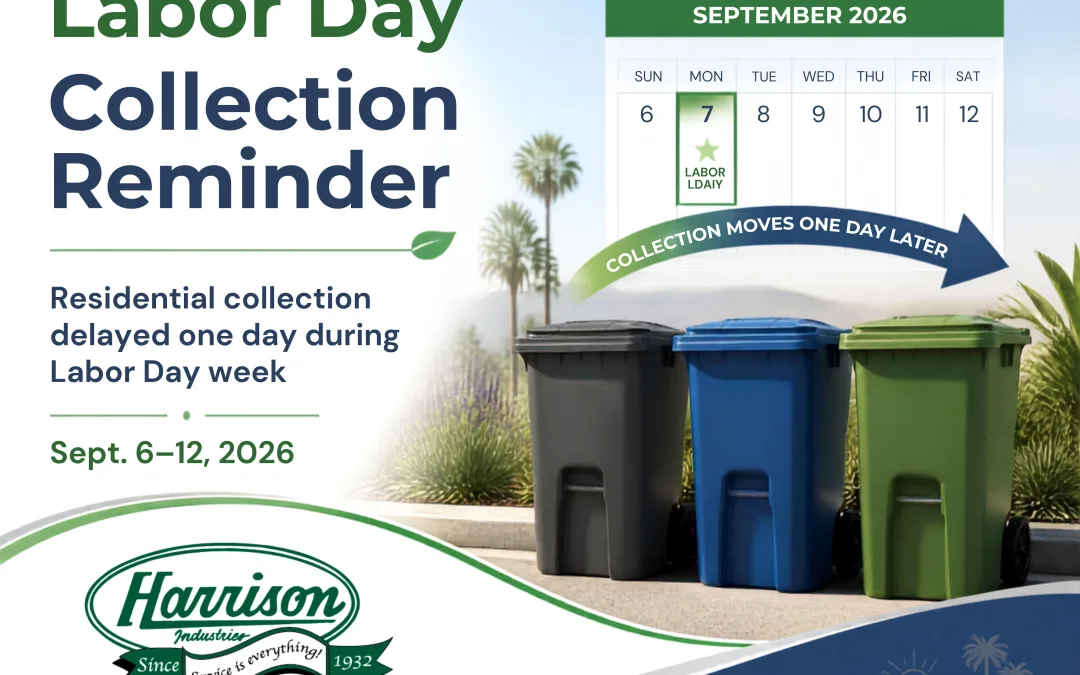
and Santa Clara Valley Disposal customers should plan for a one-day delay in residential trash, recycling and yard/organics waste collection during Labor Day week.
Employees will observe Labor Day on Monday, Sept. 7, 2026. As a result, residential collection will occur one day later than usual during the week of Sept. 6–12. Regular collection schedules will resume the following week.
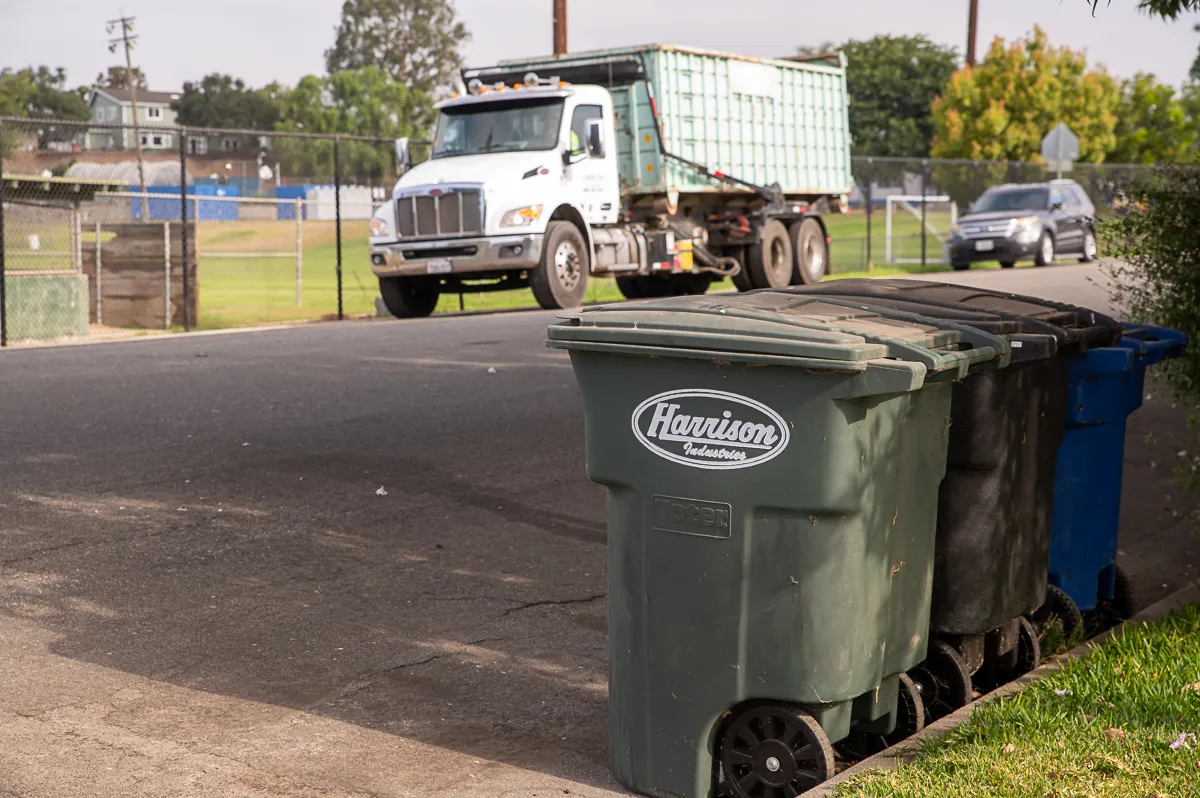
Customers in Ventura, Camarillo, Ojai and the surrounding unincorporated communities
served by E.J. Harrison & Sons should place their carts at the curb one day after their normal collection day.
Carpinteria residential customers who normally receive Thursday service will have their trash, recycling and yard/organics waste collected Friday, Sept. 11. Regular Thursday collection will resume the following week.
In Fillmore, where residential service is provided by Santa Clara Valley Disposal, the regular Friday collection will take place Saturday, Sept. 12. Normal Friday service will resume the following week.

Continue Food Waste Recycling Every Week
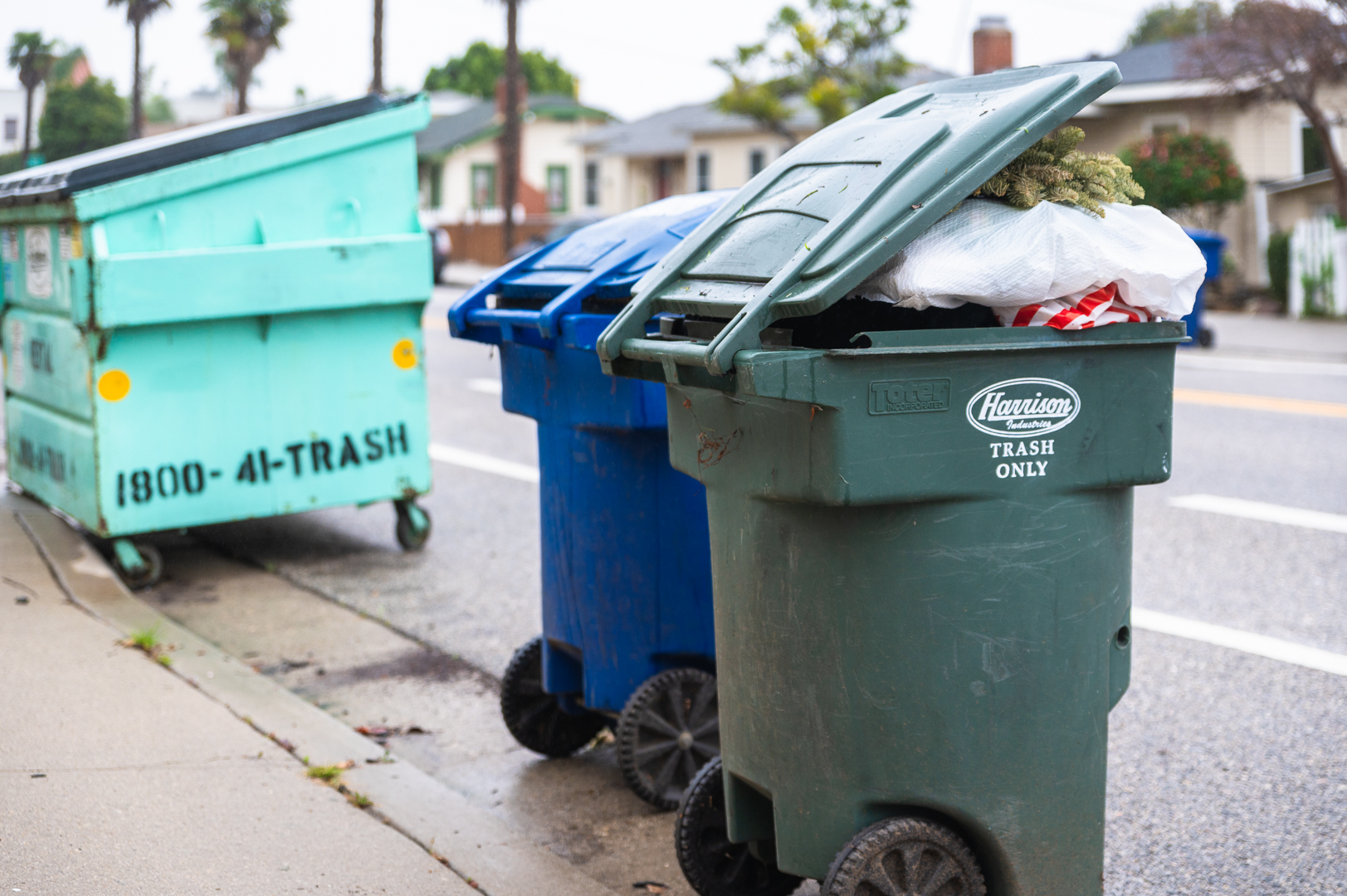
The Labor Day schedule changes the collection day, but it does not change what belongs in each cart. Residential customers may place all three carts at the curb every week.
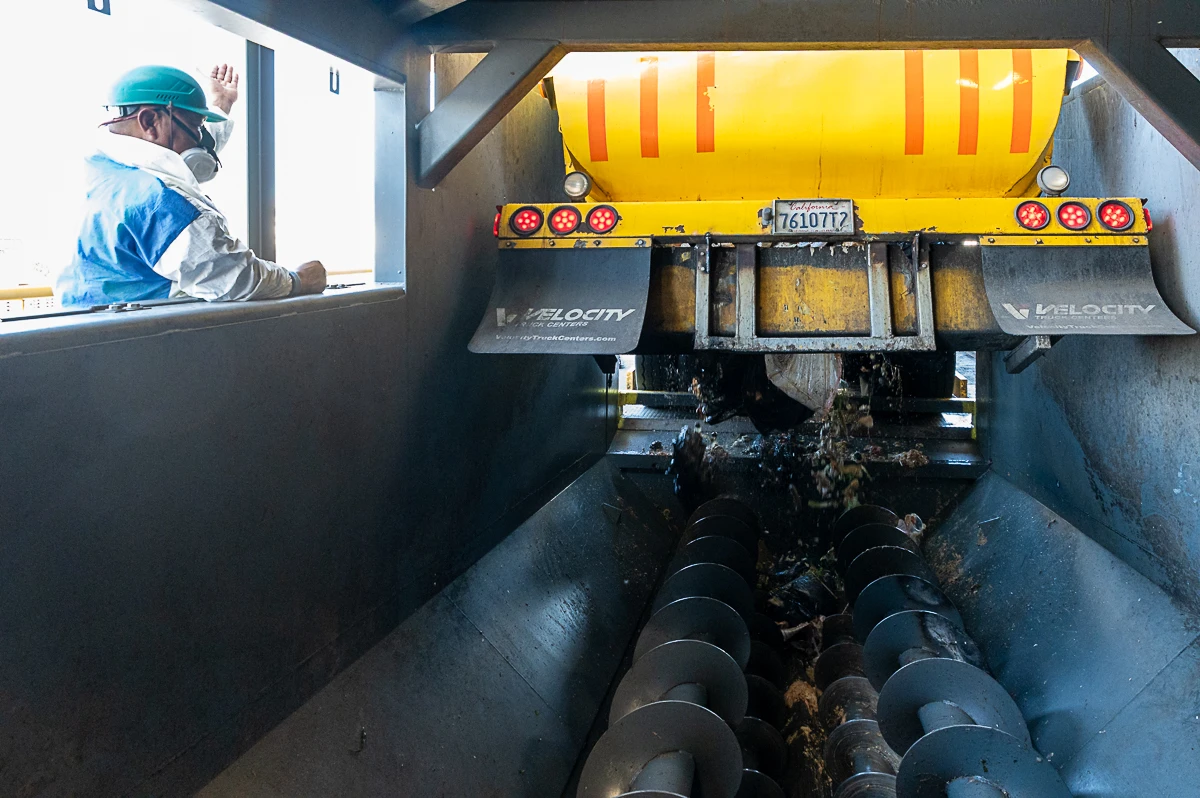
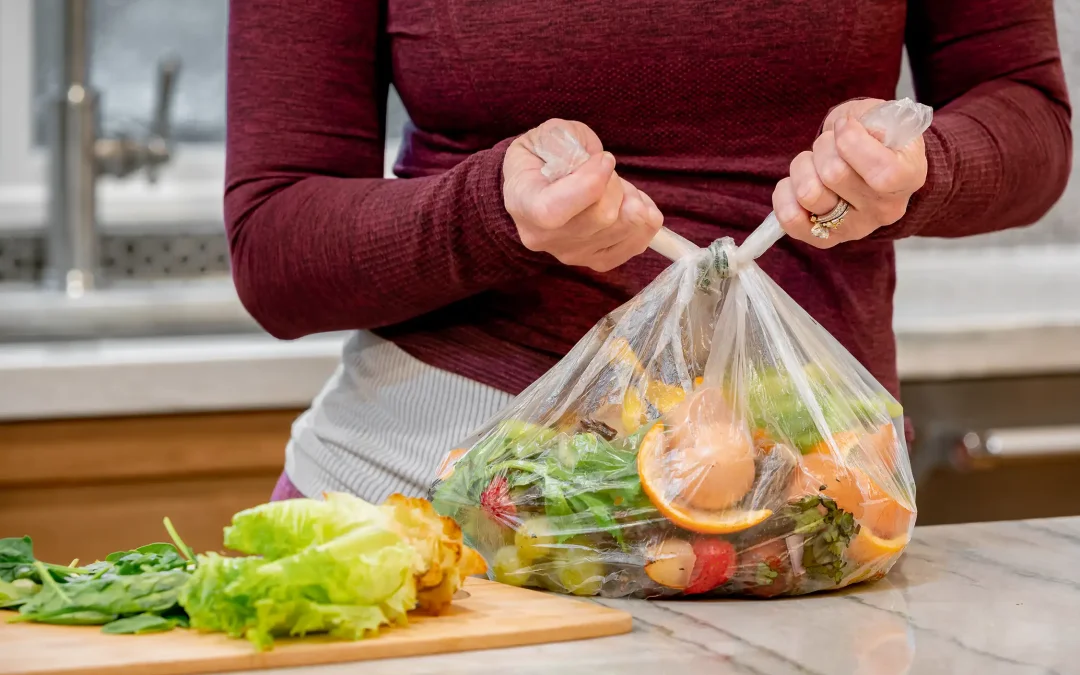
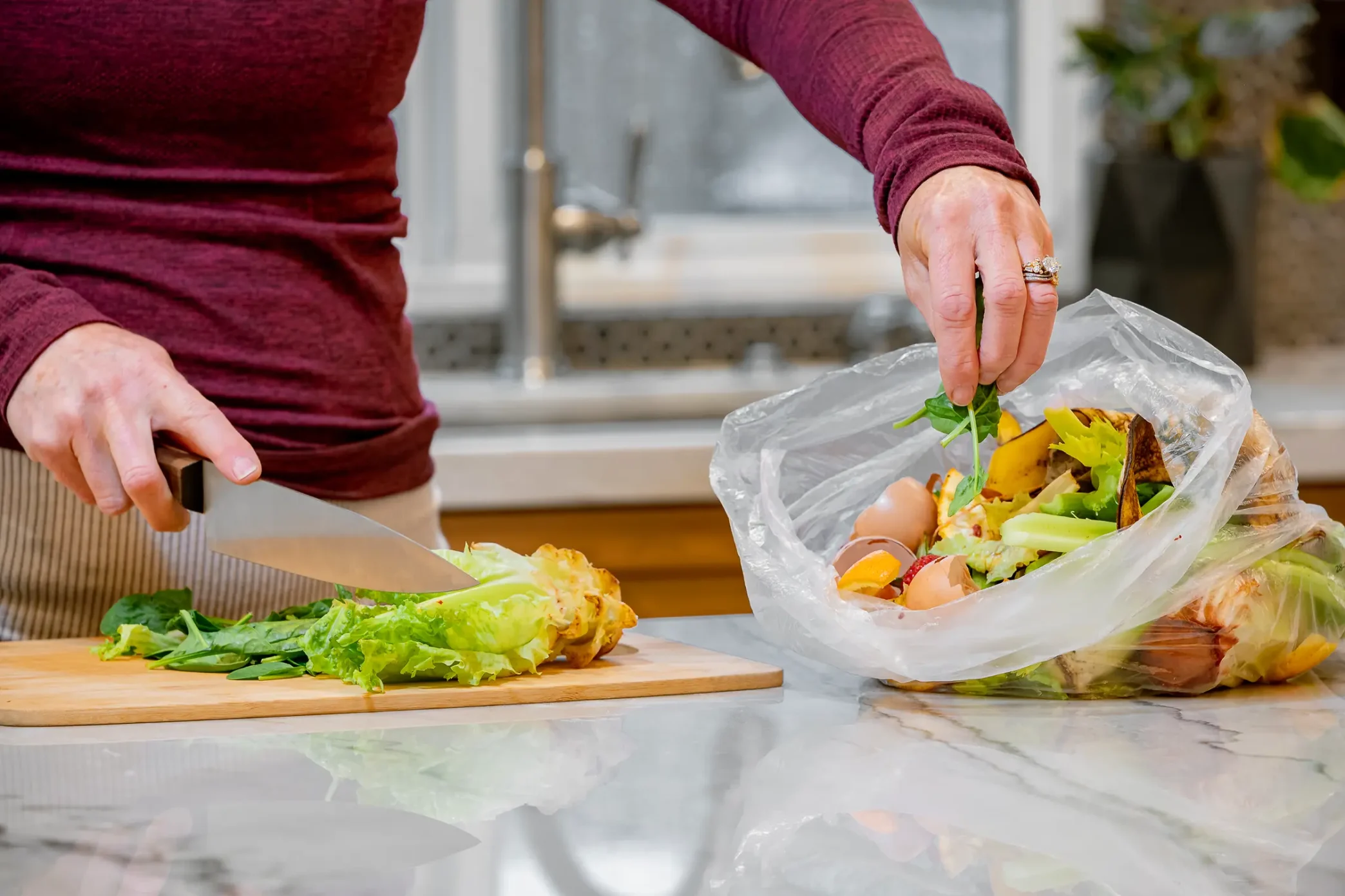
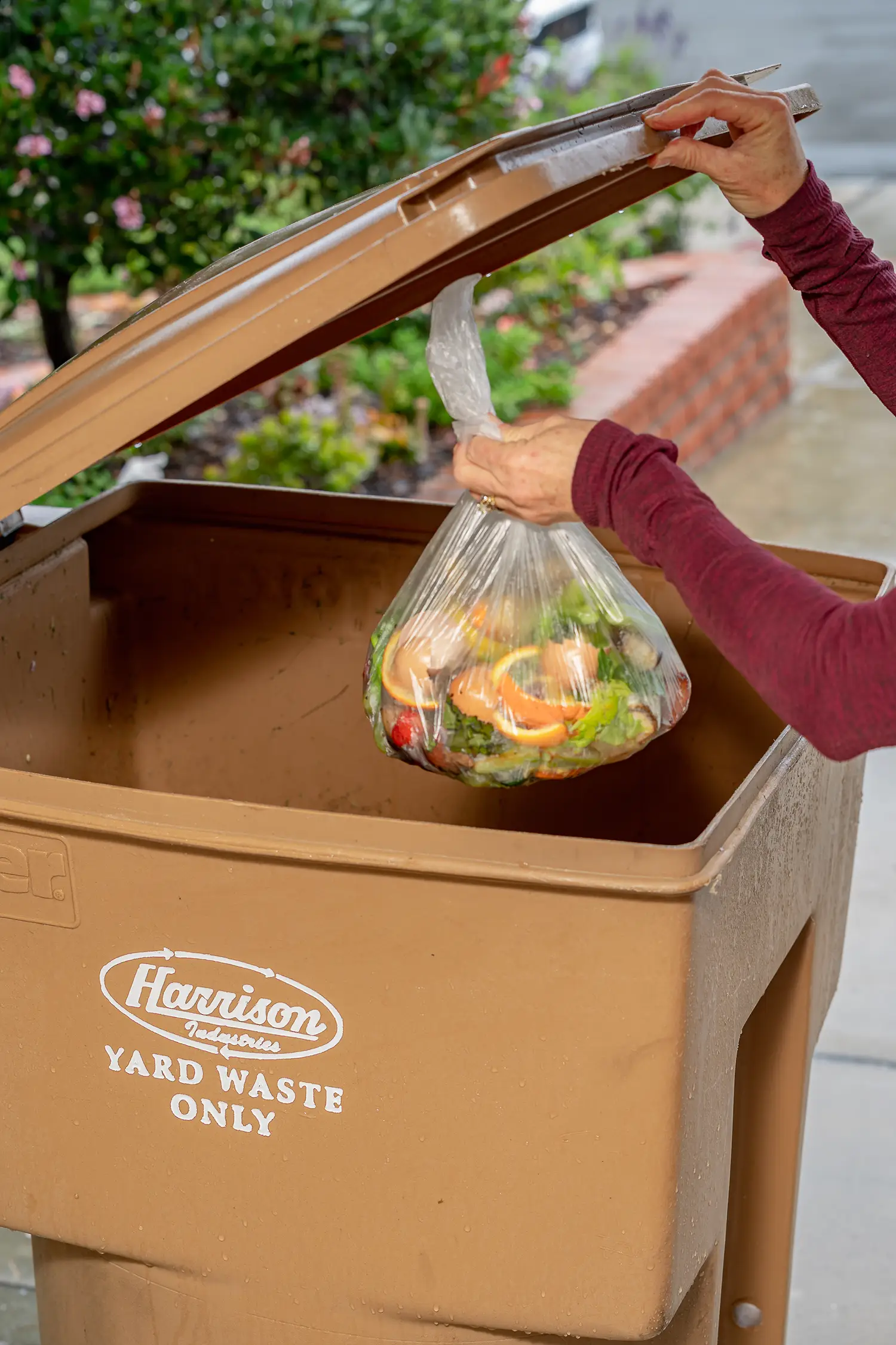
Food waste is recyclable and should be placed in closed paper or plastic bags before being added to the yard/organics waste cart. This helps prevent contamination because food waste and yard waste are processed separately. Even when an organics cart contains bagged food waste but no yard waste, customers can still place it at the curb for weekly collection.
Consistent Food Waste Recycling helps keep organic material out of landfills. California began requiring food waste diversion in 2022. When food waste decomposes in a landfill, it produces methane, a powerful greenhouse gas. Properly separating food waste supports a cleaner waste stream and helps protect the environment.
Before the holiday,
note your temporary collection day and share this reminder with neighbors. E.J. Harrison & Sons is proud to provide dependable Ventura County Trash Service and help customers understand how to sort their waste correctly.
For more information from your local Ventura County Trash Hauler, visit ejharrison.com.
Learn more about residential Food Waste Recycling at ejharrison.com/residential-food-waste.
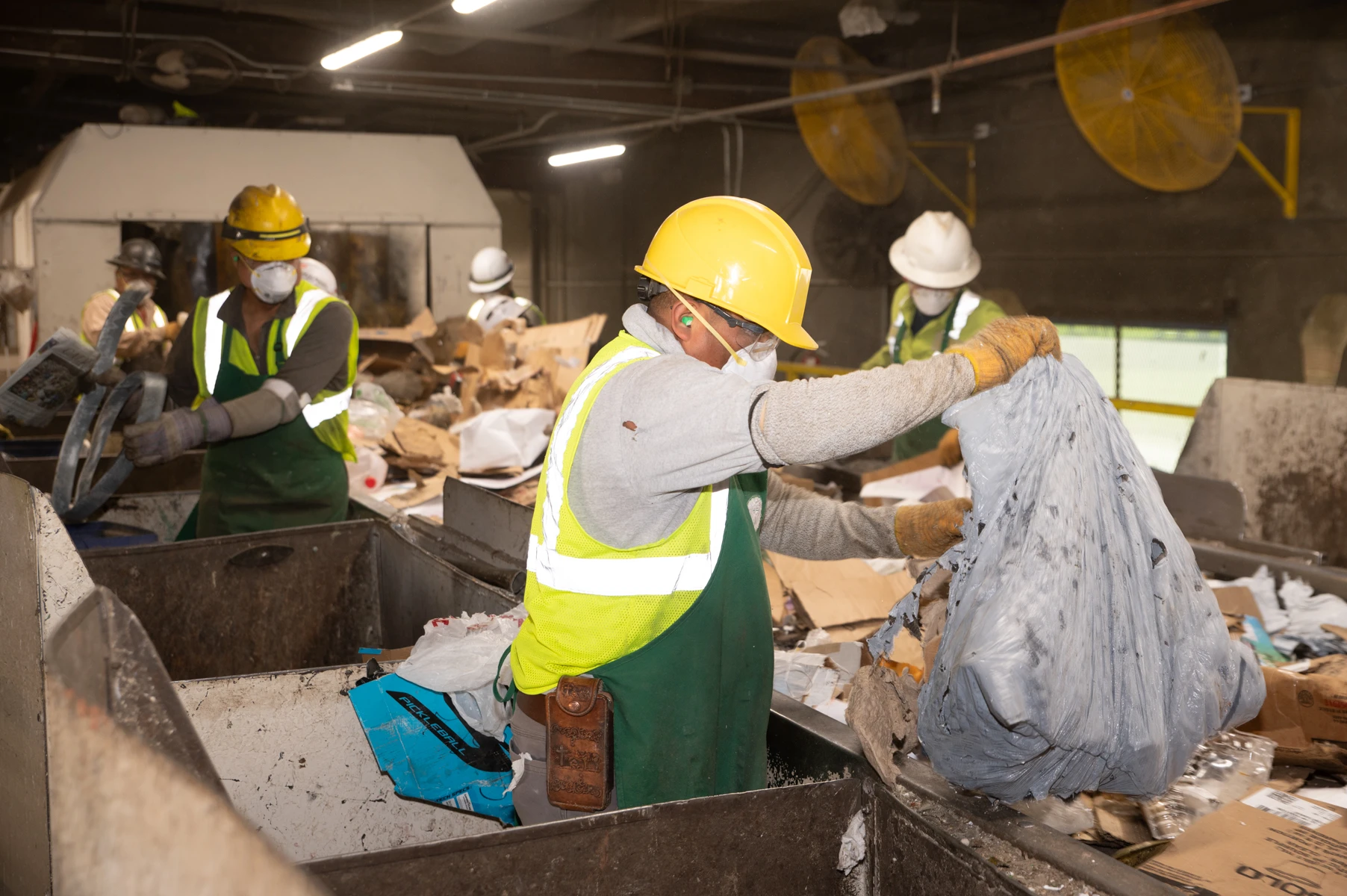
Photos by Brendan Daly with WhizCom Marketing.
Need Additional Capacity?
Businesses needing additional food waste container capacity should contact EJ Harrison to review service options.